
Blog
Cable tray sizing guide: width, height and thickness
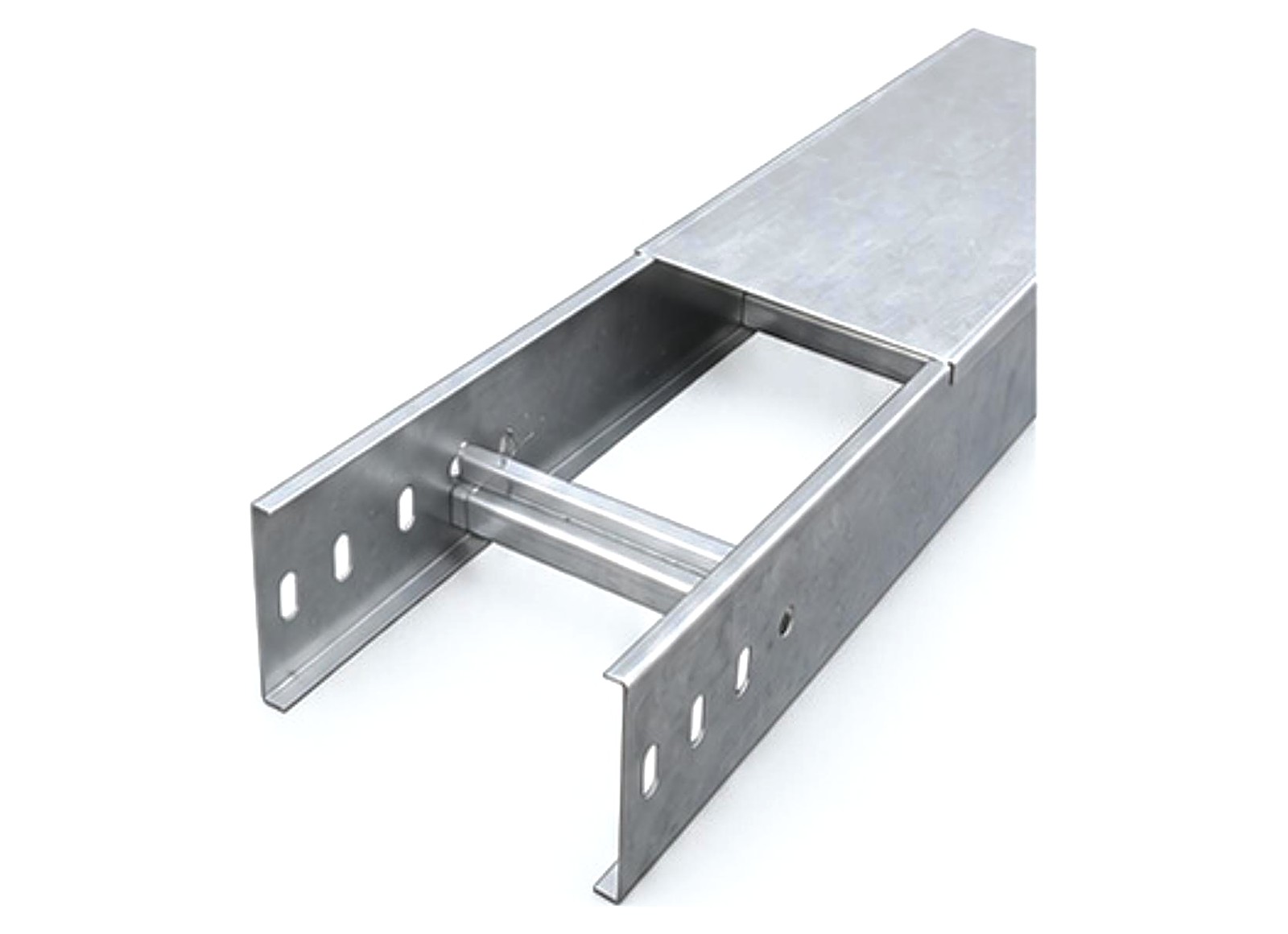
Almost every tray quotation starts with three numbers: width, height and thickness. Getting them right at enquiry stage is what makes a quotation accurate — and avoids a re-quote after the BOQ is already priced. Here is how our catalog range works and what each dimension actually decides.
The range we produce
| Width | 50–1200 mm |
|---|---|
| Height | 10–200 mm |
| Thickness | 0.5–3.0 mm |
Width: the cable bundle, plus room to grow
Width is set by the cable bundle the tray must carry — the number and diameter of cables, with space left for future additions. A tray filled to the brim leaves no room for the next cable pull, so engineers usually size with spare capacity rather than exactly to the bundle.
Height: cable depth and segregation
Height is set by the depth of the cables and how they are segregated inside the tray — power, control and instrumentation kept apart where the specification requires it. Deeper sides also help retain larger single-core cables on vertical and long-span runs.
Thickness: load and span
Thickness is set by the load the tray must carry over its support span. Heavier cable loads and longer spans call for thicker material; lighter, closely supported runs do not need it. Ladder load data references DIN EN IEC 61537 curves — the standard our tray load charts are built on.
Type first, then size
Size only makes sense once the tray type is fixed: ladder for heavy-duty, long-span runs; perforated tray for mixed power and control bundles; solid-bottom tray or trunking where cables need full enclosure. Fix the type by environment and load, then size within the range above.
A note on documentation
Sample test reports cover the samples that were tested — they describe those samples, not the whole catalog. When a project specifies a test or documentation requirement, tell us at enquiry stage so the quotation confirms exactly what will be supplied.
What to send for an accurate quote
- Product type and sizes (W×H), thickness, material / finish
- Quantities — metres of straights plus fitting counts, or your full BOQ
- Destination port / country and delivery terms you prefer
- Any standard or test requirement your project specifies
Send those four items and the quotation comes back against the right sizes, not a guess.
Get a factory price
Send your sizes for a priced offer
Send your BOQ or drawings — Jason replies personally with a priced offer.